
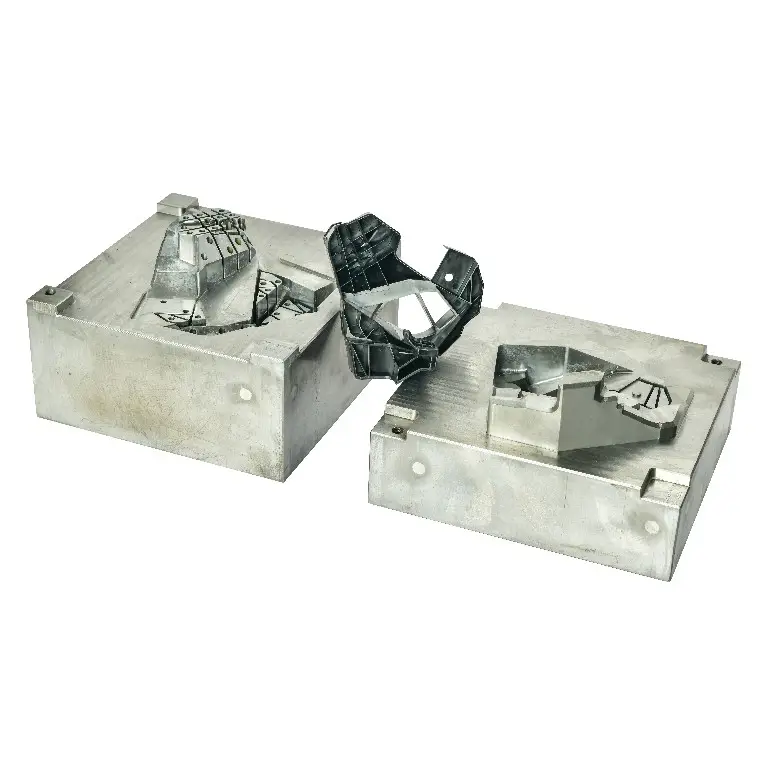
The Future of Prototyping: Aluminum Rapid Tooling
In the fast-paced world of product development, efficiency is key. One approach gaining traction is aluminum rapid tooling, a process designed to streamline the prototyping phase. By leveraging advanced technologies and materials, this method reduces time and costs, allowing businesses to bring their ideas to market more quickly. Among the various solutions available, HordRT offers innovative options that exemplify the benefits of aluminum rapid tooling.
Advantages of Aluminum Rapid Tooling
One of the primary benefits of aluminum rapid tooling is its ability to produce high-quality prototypes with great precision. Unlike traditional tooling methods, which often require extensive lead times and significant capital investment, aluminum rapid tooling can create molds in a fraction of the time. This expedited process is significantly beneficial for companies looking to test designs and gather feedback quickly. Additionally, aluminum tools exhibit excellent thermal conductivity, leading to improved efficiency during the molding process.
The HordRT Solution
HordRT stands out in the realm of aluminum rapid tooling for its focus on user-friendly technology and rapid turnaround. The company employs state-of-the-art CNC machining and 3D printing technologies to create molds that meet specific client requirements. Their aluminum tooling options are not only cost-effective but also tailored to accommodate low-volume production runs, making them ideal for initial market testing. This adaptability is vital for businesses wanting to pivot their designs based on early user feedback.
Applications and Industries
Aluminum rapid tooling has a broad range of applications across various industries, including automotive, consumer electronics, and medical devices. This versatility allows engineers and designers to work with different materials and processes for a wide array of products. With the capacity to produce detailed prototypes quickly, teams can iterate designs more rapidly, ultimately leading to innovations that might otherwise have been stalled by traditional prototyping methods.
Conclusion
Aluminum rapid tooling represents a significant advancement in the realm of product development, allowing companies to prototype efficiently while minimizing costs. By utilizing solutions like HordRT, businesses can harness the benefits of modern technology to enhance their prototyping processes. The result is a more agile development cycle, enabling teams to innovate faster and meet market demands effectively. Embracing this approach could very well define the future of prototyping in various industries.