
Understanding Energy Price Gaps and Choosing an Energy Trading Platform
Energy markets can move sharply when trading resumes after a weekend or extended market closure. Oil and natural gas prices may open at a noticeably different level from where they closed, creating what traders commonly describe as a price gap. Understanding why these gaps occur and how they affect positions is an important part of managing risk when you trade energy CFDs.
For traders looking for an energy trading platform, the ability to monitor market conditions, access relevant instruments, and manage positions efficiently can be just as important as the quoted price itself. GTCFX provides access to energy CFDs including WTI crude oil, Brent crude oil, and natural gas, allowing traders to gain exposure to energy price movements without owning the underlying commodities.
Why Energy Prices Can Open at Different Levels
Energy markets respond to a wide range of information. Changes in geopolitical conditions, supply expectations, production decisions, inventory data, weather forecasts, and broader economic developments can influence oil and gas prices.
Some of this information may emerge while a particular market is closed or trading activity is limited. When trading resumes, participants may reassess the value of an energy contract based on the new information. If expectations have changed significantly, the new opening price may be above or below the previous closing level.
This is why traders should not assume that an energy instrument will always reopen at exactly the same price where it previously stopped trading. The gap itself is not necessarily an error or unusual event. It reflects a rapid adjustment in market expectations.
What a Price Gap Means When You Trade Energy CFDs
When you trade energy CFDs, you speculate on the price movement of an underlying energy market without taking ownership of the physical commodity. Depending on the market view, a trader can take either a long or short position. GTCFX currently offers energy CFDs covering instruments such as WTI Crude Oil, Brent Crude Oil, and Natural Gas.
A gap can therefore have a direct effect on an open CFD position. For example, a trader holding a long position may face a significantly different opening price if negative supply or demand news emerges while the market is closed. Conversely, positive developments can result in a higher opening level.
This makes position sizing particularly important. A trader who focuses only on the potential profit of a price move may underestimate how quickly an energy market can change when new information enters the market.
Why Weekend News Requires Extra Attention
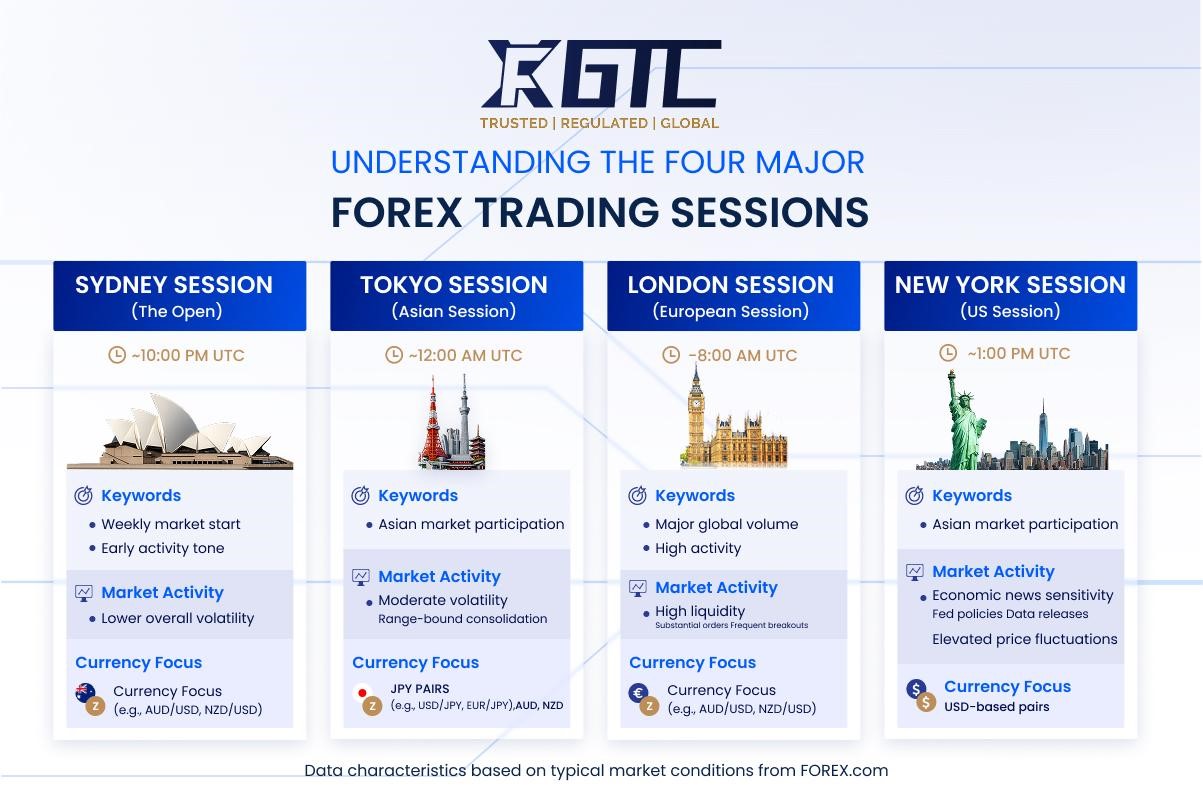
The period between Friday’s close and Monday’s reopening can contain information that was not reflected in the previous trading price. However, the weekend itself is not the only source of market gaps. Major announcements, unexpected geopolitical developments, changes in production expectations, and economic releases can all affect energy prices whenever market liquidity changes.
Traders should therefore pay attention to scheduled events as well as unexpected developments. Reviewing relevant market news before the trading session begins can help provide context for unusual price movements.
An energy trading platform should also provide reliable access to current market information and pricing. GTCFX offers energy trading through MT4, MT5, and the GTCFX Go App, giving traders multiple ways to monitor and manage positions.
Managing Risk Around Energy Market Gaps
A gap can make risk management more complicated because the actual execution price may differ from the level a trader initially expects. Stop orders can help define a preferred risk level, but traders should understand that a stop order does not guarantee execution at the exact requested price when markets move rapidly.
Leverage is another factor that deserves careful consideration. It allows traders to control a larger position with a smaller amount of capital, but it also magnifies potential losses. GTCFX states that leverage availability for energy CFDs depends on factors including the instrument, account type, position size, and jurisdiction.
For this reason, traders should consider their available margin, position size, and tolerance for potential losses before opening an energy CFD position. Using a demo account can also provide a practical way to understand order execution and market behavior before committing capital.
What to Look for in an Energy Trading Platform
Choosing an energy trading platform involves more than checking the number of available instruments. Traders should consider spreads, execution speed, trading hours, available platforms, and risk management conditions.
GTCFX provides access to energy markets with quoted spreads that vary according to the instrument and market conditions. Its energy offering includes approximately 23 hours of trading per day from Monday to Friday, subject to market conditions. The platform supports MT4, MT5, and GTCFX Go.
Execution conditions can also become particularly relevant during volatile periods. GTCFX reports execution speeds of under 10 milliseconds and offers energy trading with access to crude oil and natural gas markets.
However, trading conditions can vary according to jurisdiction, account type, instrument, and market environment. Traders should review the applicable terms before opening a position.
A More Structured Approach to Energy CFD Trading
Price gaps are difficult to predict consistently because they depend on new information and changing market expectations. Instead of trying to forecast every gap, traders can focus on preparing for different scenarios.
Before entering a position, consider what could move the market, how much capital is exposed, and what would happen if the market opened substantially higher or lower than expected. Checking trading hours and current spreads is also useful because market conditions can change around periods of reduced liquidity.
For traders who trade energy CFDs, preparation is therefore closely connected to risk management. A suitable energy trading platform can provide the market access and execution tools needed to implement that plan, but the trading decision and associated risk remain with the individual trader.
Making Energy Trading More Deliberate
Energy markets can react quickly when new information changes expectations about supply, demand, or economic conditions. Price gaps are one visible result of this process, particularly when significant developments occur while a market is closed.
Understanding how gaps form, considering the impact of leverage, and preparing for different opening scenarios can help traders approach energy CFDs with greater awareness. GTCFX provides access to WTI crude oil, Brent crude oil, natural gas, and other energy CFDs through several trading platforms, giving traders a range of tools for monitoring and managing their market exposure.
CFDs are leveraged products, and rapid price movements can result in substantial losses. Traders should review the applicable margin and loss-protection terms and assess whether the product is suitable for their circumstances.