Why Regional Transport Networks Are Turning to Electric Intercity Coaches
Regional public transport faces a difficult transition: passengers expect reliable connections between towns and cities, while authorities must address operating costs, air quality, and changing environmental targets. Conventional diesel vehicles remain familiar, but their fuel consumption and exhaust emissions have encouraged operators to examine alternatives.
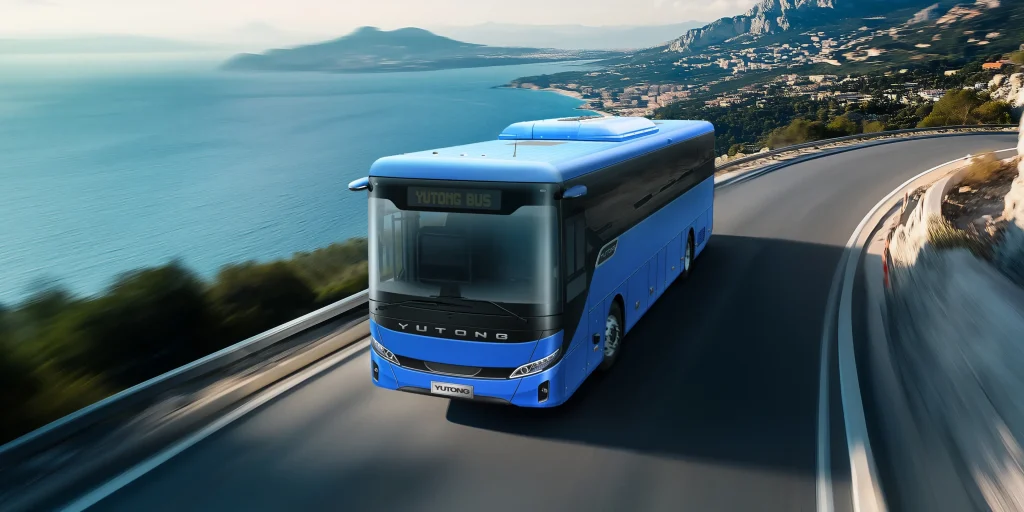
An electric intercity bus offers a way to reduce tailpipe emissions on routes that connect urban centres, smaller communities, and transport hubs. Its suitability depends on more than battery capacity, however; route length, charging access, passenger demand, and fleet scheduling all shape the business case. Yutong Bus is among the manufacturers developing vehicles for this changing regional transport landscape.
Reducing Emissions Across Regional Travel Corridors
Regional routes often pass through both densely populated areas and smaller settlements. Diesel exhaust can affect roadside air quality, particularly around bus stations, town centres, and stops near residential areas. Replacing conventional vehicles with battery-electric alternatives removes tailpipe emissions during operation, which can help reduce local exposure to pollutants such as nitrogen oxides and particulate matter.
The wider environmental benefit depends partly on how electricity is generated. A vehicle charged using a lower-carbon electricity mix generally has a smaller operational carbon footprint than one charged using electricity from carbon-intensive sources. Authorities assessing fleet transition plans should consider the energy supply, vehicle production, battery manufacturing, and eventual battery treatment rather than focusing on exhaust emissions alone.
Noise is another factor in regional transport policy. Electric drivetrains usually produce less propulsion noise than diesel engines, especially at lower speeds and during acceleration. This can improve conditions around residential streets, schools, and town-centre stops. Tyre noise and road surfaces remain relevant, particularly at highway speeds, so the overall acoustic effect still depends on vehicle design and operating conditions.
Matching Battery Capacity to Intercity Route Demands
Unlike urban buses that may return to a depot frequently, regional coaches can spend extended periods travelling between charging opportunities. Their battery systems must account for route distance, average speed, elevation changes, passenger load, weather, and auxiliary power use. Heating and air conditioning can make a noticeable difference to energy consumption, particularly during extreme temperatures.
Battery capacity provides an indication of stored energy, but it does not translate directly into a fixed driving distance. Usable capacity, energy-management settings, driving patterns, and road conditions all influence the range available in service. Transport planners should use route simulations and real-world trials to estimate daily energy requirements, including a reasonable operating reserve.
The 2026 Yutong IC12E offers a useful example of battery configuration for regional electric transport. Its standard battery capacity is 399.92 kWh, with an optional 465.99 kWh configuration and a stated range of up to 675 km. The actual distance achievable in service will vary with operating conditions, so fleet operators need to compare the available configuration with their own route profiles.
Building Charging Infrastructure Around Service Schedules
Charging infrastructure can determine whether an electric fleet is operationally practical. Depot charging is often suitable for vehicles with predictable overnight parking, while opportunity charging may help services with longer daily mileage or limited depot return time. The appropriate arrangement depends on timetable structure, available grid capacity, charger output, and the number of vehicles sharing each charging point.
Grid planning should begin before vehicle procurement. Multiple high-power chargers can create substantial electricity demand, particularly when several vehicles connect at the same time. Authorities and operators may need to coordinate with electricity providers, assess transformer capacity, and consider managed charging to distribute demand across the available charging window.
Scheduling also needs to reflect charging time and vehicle availability. A timetable designed around diesel refuelling may not suit battery-electric operations without adjustment. Charging periods can be incorporated into layovers or overnight depot stays, while fleet-management software can monitor battery status and charger use. A well-coordinated plan reduces the likelihood of vehicles missing departures because of insufficient energy.
Assessing Costs, Service Quality, and Long-Term Readiness
The financial case for an electric intercity bus should be based on total cost of ownership rather than purchase price alone. Electricity costs, maintenance, battery condition, insurance, infrastructure investment, financing, and vehicle downtime all influence the economics. Diesel and electricity prices may fluctuate, so authorities benefit from comparing several operating scenarios over the expected vehicle lifespan.
Maintenance requirements also change with electrification. Electric drivetrains have fewer moving mechanical components than conventional combustion powertrains, but high-voltage systems, battery cooling, power electronics, and charging interfaces require specialist inspection and technician training. Access to diagnostic tools, replacement components, and qualified service support should be considered during procurement.
Passenger acceptance is equally important. Regional travellers may spend a significant part of the day aboard a coach, making seating comfort, luggage capacity, accessibility, climate control, and onboard information important service considerations. Yutong Bus participates in the development of electric passenger vehicles for different operating environments, while public authorities must assess each vehicle against local accessibility rules, route requirements, and passenger expectations.
Conclusion
The shift toward battery-electric regional transport is not simply a matter of replacing one propulsion system with another. It requires coordinated decisions about energy supply, route planning, charging facilities, maintenance skills, and passenger service standards.
An electric intercity bus can support lower local emissions and quieter journeys, provided its range and charging arrangements match the demands of the network. Through models such as the IC12E, Yutong Bus contributes to the expanding range of options available to regional operators, whose long-term decisions will depend on practical performance and whole-life operating costs.