
How to Evaluate a Strategy Provider Before Starting Copy Trading
Choosing a strategy provider is one of the most important decisions when using a copy trading platform. Although copy trading can automatically replicate another trader’s positions, followers still need to evaluate the strategy, understand its risks, and decide whether it fits their financial objectives.
For users comparing forex copy trading platforms, the selection process should involve more than looking at recent returns. A structured due diligence process can help investors assess performance, trading behavior, risk exposure, and the information provided by the platform before committing capital.
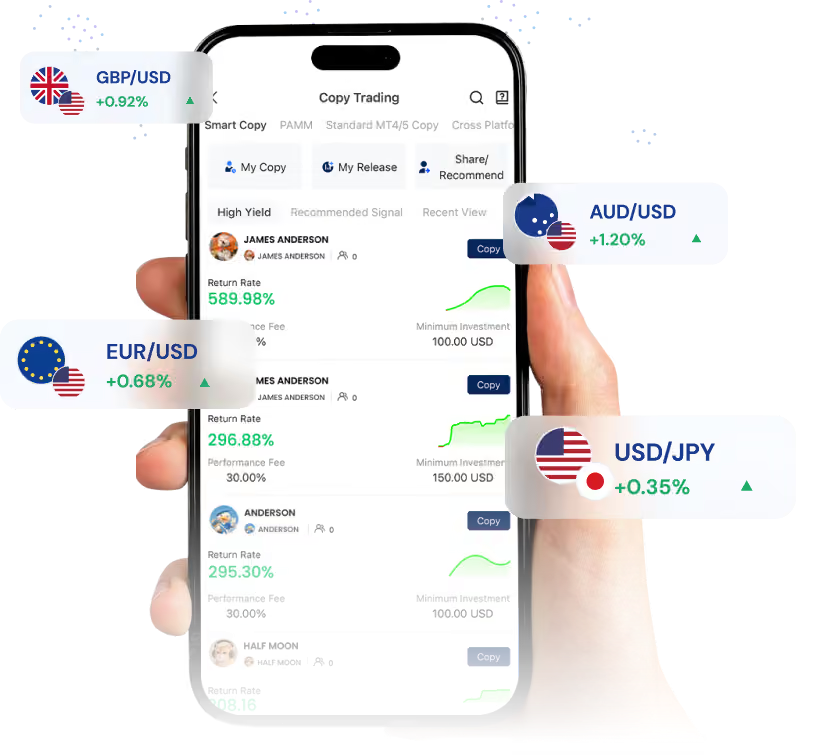
Start With the Trader’s Historical Performance
Historical performance is a useful starting point, but it should never be the only selection criterion. A strategy that has generated strong returns over a short period may have taken considerable risks to achieve them.
Instead, examine performance over a longer period when sufficient data is available. Consider how the strategy performed during different market conditions and whether returns appear relatively consistent. Large fluctuations may indicate a higher level of risk than the headline return suggests.
GTCFX allows users to browse trader profiles and review performance before selecting a strategy to follow. Its copy trading service is designed to give users visibility into available strategy providers before they allocate capital.
Examine Drawdown and Risk Exposure
Drawdown is one of the most important metrics to understand before copying a strategy. It shows how far an account or strategy has declined from a previous peak and can provide a clearer picture of potential losses than returns alone.
For example, two traders may generate similar returns while taking very different levels of risk. One may experience relatively moderate fluctuations, while another may rely on larger positions or more aggressive trading decisions.
Followers should therefore ask whether they could remain comfortable if the strategy experienced a drawdown similar to its previous history. Risk tolerance should be considered before selecting a provider, rather than after a significant loss occurs.
GTCFX specifically advises users to consider their financial circumstances, investment objectives, trading experience, and risk tolerance before using its copy trading service.
Understand the Trading Style
A provider’s trading style can be just as important as performance figures. Before selecting a strategy, investors should understand whether the trader mainly focuses on short term opportunities, longer holding periods, frequent transactions, or a particular market approach.
Trading frequency can also affect the follower’s experience. A strategy that opens and closes many positions may behave very differently from one that maintains fewer positions for longer periods.
Users should consider whether the provider’s approach matches their own expectations. If a strategy appears attractive only because of unusually high short term returns, it may be worth examining how those returns were generated.
Look Beyond Recent Returns
One common mistake when comparing forex copy trading platforms is selecting a provider based primarily on recent gains. Strong recent performance can attract attention, but it does not necessarily indicate that the strategy will continue to perform similarly.
GTCFX states clearly that past performance is not a reliable indicator of future results. It also explains that the decision to follow a strategy provider remains the user’s responsibility.
A more balanced assessment considers several factors together. Performance history, drawdown, trading style, position management, and consistency can provide a broader view of a strategy than a single return figure.
Check How Much Control You Have
The platform itself should also form part of the due diligence process. Investors should understand how they can allocate capital, monitor performance, and manage their copy trading activity after connecting with a provider.
GTCFX describes its process in three stages. Users open a live account, review trader profiles and trading styles to select a provider, then allocate capital and activate copying. Performance can subsequently be tracked through the account dashboard.
This matters because copy trading is not simply about choosing a trader and forgetting about the account. Followers should maintain visibility over their allocation and reassess whether the strategy remains appropriate as market conditions and personal circumstances change.
Consider the Risks of Forex Copy Trading
Forex trading can involve significant risk, particularly when leverage is used. A copied strategy can experience losses just as a manually managed trading account can. Automatic execution does not eliminate market risk or guarantee that copied trades will produce the same outcome as historical results.
GTCFX states that its copy trading service involves significant risk and does not guarantee profits. The company also explains that GTC Global Trading Ltd operates the copy trading system but does not create, endorse, recommend, or guarantee the strategies or performance of individual providers.
This distinction is important for anyone evaluating a provider. The availability of a strategy on a platform should not be interpreted as a recommendation to follow it.
Create a Personal Selection Framework
Before choosing among forex copy trading platforms, investors can create a simple framework based on their own requirements. Determine the amount of capital they are prepared to allocate, the level of drawdown they can tolerate, and the type of trading style they are comfortable following.
The next step is to compare providers using consistent criteria rather than switching between strategies based on short term performance. Regular monitoring can then help identify whether the provider’s behavior remains consistent with the original selection.
For investors considering GTCFX, its copy trading platform provides access to trader profiles, performance information, strategy selection, capital allocation, and account monitoring within the copy trading process.
A sound due diligence process does not guarantee successful results, but it can help investors make more informed decisions. The most suitable copy trading platform is not necessarily the one with the highest reported returns. Instead, investors should look for clear information, practical account controls, and strategies that align with their own risk tolerance and objectives. By evaluating a strategy provider carefully before following, users can approach copy trading with more realistic expectations and greater awareness of the risks involved.